
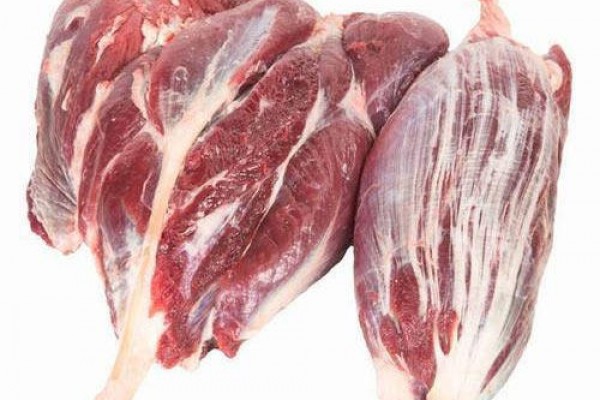
Buy HALAL Frozen Beef Shanks Boneless / Bone in online
Beef shank refers to the leg portion of a steer, specifically the shin or lower leg, which is known for being very lean, tough, and full of collagen. It is commonly categorized by its location (fore or hind) and how it is cut, with popular types including cross-cut (often used for osso buco), boneless shank, and, in some regions, specific cuts for stewing or grinding
Purchase HALAL Frozen Beef Shanks Boneless / Bone in
Beef Shanks Boneless/Bone in for sale is a flavorful, tough cut from the cow’s leg, characterized by a central bone, marrow, and abundant connective tissue, making it ideal for slow, moist cooking methods like braising or stewing, which break down the collagen into a rich, tender, gelatinous result perfect for dishes.
Purchase HALAL Frozen Beef Shanks Boneless / Bone in online
Beef Shank is naturally lean in visible fat but high in protein and minerals like iron. Braising bone-in releases gelatin from collagen, giving you a sauce with luxurious mouthfeel. Choosing pasture-raised, grass-fed beef supports animal welfare and soil health while avoiding routine antibiotic use and added hormones.
The main types of beef shank are Foreshank (front legs) and Hindshank (rear legs), often cross-cut into thick, marrow-filled rounds (Osso Buco) or cut lengthwise for stews, both rich in collagen, requiring slow, moist cooking for tenderness, with hindshank usually meatier and foreshank often used for ground beef or stock.
Exporters of Halal Frozen Beef Shanks Boneless/Bone in
The beef shank is available in two primary forms:
Bone-in shank for sale: This version includes the bone with marrow, which imparts additional richness and flavor when cooked.
Boneless shank for sale: The bone is removed in this version, but the meat still contains the connective tissue that gives it its signature texture and flavor.
Beef shank for sale comes from the shin and hock of the cow. These parts are situated between the shoulder and the round (hindquarters) and are used for movement. Depending on the butcher, the beef shank may be divided into the following sections:
Shin Shank: This is the upper portion of the leg. It is typically meatier but still contains a lot of connective tissue. It is often used for braising, stews, or soups.
Hock Shank: This is the lower portion of the leg, closer to the hoof. It is generally smaller and more compact, with a higher proportion of bone relative to meat. It’s great for making stocks or broths.
Both cuts have a good amount of marrow, a key ingredient for adding richness and flavor to your dishes. When cooked, the marrow infuses the dish with a unique, meaty flavor and a silky texture that’s sought after in dishes
Regarding texture, beef shank is known for being tough but highly flavorful due to its high collagen content. When cooked properly, the collagen breaks down and turns into gelatin, which results in a melt-in-your-mouth tenderness and a rich, full-bodied broth or sauce.
Best ways to cook Beef shank
Beef shank shines with low-and-slow cooking methods, which break down the collagen:
Braising
Slow simmering (soups and stews)
Pressure cooking
Common dishes
Osso buco (Italian classic, traditionally veal but often made with beef shank)
Beef noodle soup
Pho
Stews and bone broth
What it’s not good for
Grilling
Pan-frying
Quick roasting
Grass-fed and pasture-raised Beef shank offers a clean, mineral-rich flavor and a better fatty-acid profile (more omega-3s and CLA/linoleic acid) than conventional grain-finished beef. Our shank comes from animals managed with regenerative agriculture in mind—healthy pasture, healthy cattle, better beef. For you, that means a richer sauce, standout nutrition (iron, protein, vitamins), and confidence in how your food was raised.explore for more at https://frozenlivestockexperters.com/