 Skip to content
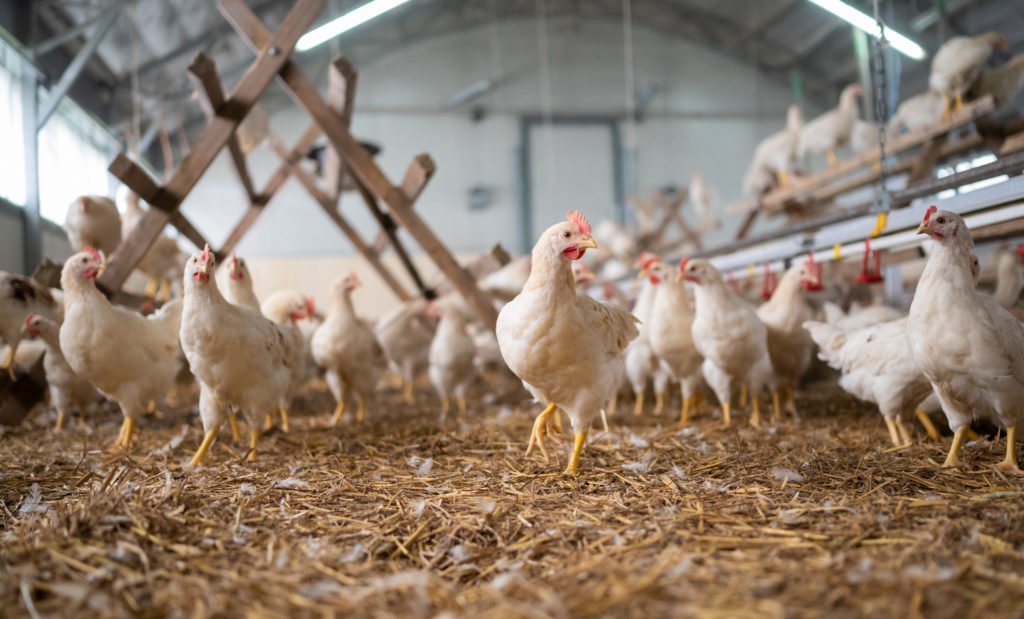
brazilian poultry– poultry farm
Brazilian poultry for sale means poultry (chicken, turkey, and sometimes other birds) that comes from Brazil—either:
domestically produced and sold inside Brazil, or
exported by Brazil to other countries (commonly as frozen chicken parts like drumsticks, thighs, wings, breast, and sometimes processed products).
Common Brazilian poultry products
Frozen chicken cuts (bone-in or boneless)
Chicken parts for grilling or stews (thighs, drumsticks, wings)
Ground chicken
Sometimes processed poultry (seasoned, breaded, or ready-to-cook items)
Brazil’s subtropical climate is ideal for poultry, leading to good animal health conditions and lower production costs, as heating is often not required. The country has abundant freshwater resources and fertile land for producing feed, which contributes to lower costs and high productivity.
brazilian poultry farming is the practice of raising domesticated birds Primarily chickens, but also includes ducks, turkeys, and geese r their meat and eggs for human consumption in which Birds are confined indoors in large numbers and also Birds are allowed access to outdoor areas
Farmers are responsible for providing shelter, food, water, and healthcare for the birds, as well as maintaining the facilities.Brazilian chicken has earned its position in the global market by delivering on three essential features: flavor, safety, and quality. The country is internationally recognized for its animal health protocols, with strict biosecurity systems and a highly technical production chain
Much of Brazil’s competitive edge lies in its cost structure. As one of the world’s best producers of corn and soybean meal, these two main ingredients of poultry feed — the country benefits from local sourcing and lower logistical expenses.
Furthermore, the use of technology, efficient resource management, and geographic proximity between farms and feed suppliers result in a leaner, more cost-effective production model. This enables Brazilian chicken to maintain an attractive price-performance ratio while preserving sustainable profit margins throughout the supply chain
Brazilian poultry farming in Brazil is a major global industry, making the country the world’s largest chicken meat exporter and third-largest producer. It is a significant economic driver, employing millions, contributing to GDP, and relying on advanced technology and integrated production systems
Brazilian poultry is characterized by its massive production scale, with the country being the world’s largest
poultry meat. The industry is a major part of the national economy, employing millions and accounting for a significant portion of the GDP. Brazil is a major global supplier, exporting to over 150 countries in the global market.
The climatic condition of Brazil makes it favorable for quality, safety, sustainable growth of Brazilian poultry due to a combination of a favorable climate, advanced production systems, and abundant natural resources. These factors allow for efficient production with strong animal health protocols, which result in a high-quality, safe product that can be competitively prices with Several companies specialize in exporting Brazilian poultry. Examples include Brazilian poultry
Brazilian poultry, primarily frozen chicken for export, is available for sale from various suppliers and online wholesale marketplaces like Alibaba and TradeWheel. Businesses can purchase a wide range of products in bulk, including whole chickens, chicken breasts, drumsticks, paws, and gizzards, often with options for Halal certification. These suppliers cater to distributors, wholesalers, and importers, and can provide export documentation and logistics services.
Types of brazilian poultry
Whole frozen chickens: A common export item, often available with Halal certification.
Chicken parts: You can find specific cuts such as breasts, drumsticks, wings, and thighs.
Processed parts: Products like chicken feet and paws are also widely available for export.
Live chicks: While less common for direct export for immediate consumption, companies like Mercoaves supply day-old chicks to farms.
High standards: Strict hygiene and safety standards are followed, ensuring a high level of quality control and a product free from harmful contaminants.
Superior taste: Brazilian chicken is known for its superior taste and quality.
Health status: The industry is recognized for its strong animal health status, which contributes to product safety.
International certifications: Brazilian poultry meets international standards and holds certifications, including Halal and SIF.
Brazilian poultry has established itself as a powerhouse in the global poultry market. Brazilian poultryhttp://frozenlivestockexperters exports have gained widespread recognition and preference across continents.Brazil’s poultry industry continues to evolve, driven by innovation, sustainability, and global demand. Its chicken exports remain a vital part of the international food supply chain, preferred for their quality, affordability, and reliability. Whether you are a retailer, distributor, or food service provider, brazilian poultry
exports offer a compelling option to meet your needs,
Brazilian Poultry is a trusted name Globally for all poultry cuts, supplying high-quality frozen chicken products to international markets. We connect with global buyers ensuring consistent supply, export compliance, and competitive pricing. With Brazil recognized as the world’s leading poultry-exporting country, we serve as a reliable export partner for importers, distributors, and food service companies worldwide.
Why Choose Our Frozen Chicken?
Halal & International Standards – Certified processing with strict hygiene and export compliance.
Wide Range of Cuts – Whole chicken, breast, wings, drumsticks, and customized cuts.
Freshness Guaranteed – Blast freezing technology preserves taste and nutrition.
Global Supply Network – Fast and reliable shipping to Asia, Middle East, Africa, and Europe.
Competitive Wholesale Prices – Best value for large-scale importers and supermarkets.
we ensure that all the chicken products pass multiple quality tests before shipment to destinations around the world, including Dubai, Kuwait, Saudi Arabia, Oman, Egypt, China, Canada, Australia, Vietnam, etc. These quality tests ensure that the chicken is Halal-approved, SIF-approved, and SGS-inspected, fully complying with Brazil’s food Inspection regulations.
We believe in building lasting relationships with our clients by providing products that meet and exceed expectations in quality, taste, and freshness. We are proud to be the top manufacturer of Halal frozen chicken in Brazil, supplying a range of fresh and flavourful chicken products such as whole chicken, chicken wings, chicken feet, chicken paw, chicken breast, chicken fillet, etc. Each cut is well-cleaned without any smell or broken bones.
Our international team is dedicated to consistently providing premium-quality chicken products. With branches in Europe, South America, the Middle East, and Asia, we ensure seamless production, trade, and export of halal frozen chicken at your tables. explore more about poulty farms in Brazil at https://frozenlivestockexperters.com/
